Wednesday, March 12, 2014

10 Reasons Why Handheld Devices Should Be Banned for Children Under the Age of 12


Cris Rowan Headshot


10 Reasons Why Handheld Devices Should Be Banned for Children Under the Age of 12

Posted: Updated: 
Print Article
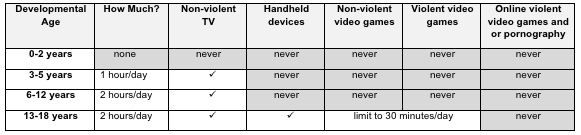
The American Academy of Pediatrics and the Canadian Society of Pediatricsstate infants aged 0-2 years should not have any exposure to technology, 3-5 years be restricted to one hour per day, and 6-18 years restricted to 2 hours per day (AAP 2001/13, CPS 2010). Children and youth use 4-5 times the recommended amount of technology, with serious and often life threatening consequences (Kaiser Foundation 2010, Active Healthy Kids Canada 2012). Handheld devices (cell phones, tablets, electronic games) have dramatically increased the accessibility and usage of technology, especially by very young children (Common Sense Media, 2013). As a pediatric occupational therapist, I'm calling on parents, teachers and governments to ban the use of all handheld devices for children under the age of 12 years. Following are 10 research-based reasons for this ban. Please visit zonein.ca to view the Zone'in Fact Sheet for referenced research.
1. Rapid brain growth
Between 0 and 2 years, infant's brains triple in size, and continue in a state of rapid development to 21 years of age (Christakis 2011). Early brain development is determined by environmental stimuli, or lack thereof. Stimulation to a developing brain caused by overexposure to technologies (cell phones, internet, iPads, TV), has been shown to be associated with executive functioning and attention deficit, cognitive delays, impaired learning, increased impulsivity and decreased ability to self-regulate, e.g. tantrums (Small 2008, Pagini 2010).
2. Delayed Development
Technology use restricts movement, which can result in delayed development. One in three children now enter school developmentally delayed, negatively impacting literacy and academic achievement (HELP EDI Maps 2013). Movement enhances attention and learning ability (Ratey 2008). Use of technology under the age of 12 years is detrimental to child development and learning (Rowan 2010).
3. Epidemic Obesity
TV and video game use correlates with increased obesity (Tremblay 2005). Children who are allowed a device in their bedrooms have 30% increased incidence of obesity (Feng 2011). One in four Canadian, and one in three U.S. children are obese (Tremblay 2011). 30% of children with obesity will develop diabetes, and obese individuals are at higher risk for early stroke and heart attack, gravely shortening life expectancy (Center for Disease Control and Prevention 2010). Largely due to obesity, 21st century children may be the first generation many of whom will not outlive their parents (Professor Andrew Prentice, BBC News 2002).
4. Sleep Deprivation
60% of parents do not supervise their child's technology usage, and 75% of children are allowed technology in their bedrooms (Kaiser Foundation 2010). 75% of children aged 9 and 10 years are sleep deprived to the extent that their grades are detrimentally impacted (Boston College 2012).
5. Mental Illness 
Technology overuse is implicated as a causal factor in rising rates of child depression, anxiety, attachment disorder, attention deficit, autism, bipolar disorder, psychosis and problematic child behavior (Bristol University 2010,Mentzoni 2011Shin 2011Liberatore 2011, Robinson 2008). One in six Canadian children have a diagnosed mental illness, many of whom are on dangerous psychotropic medication (Waddell 2007).
6. Aggression 
Violent media content can cause child aggression (Anderson, 2007). Young children are increasingly exposed to rising incidence of physical and sexual violence in today's media. "Grand Theft Auto V" portrays explicit sex, murder, rape, torture and mutilation, as do many movies and TV shows. The U.S. has categorized media violence as a Public Health Risk due to causal impact on child aggression (Huesmann 2007). Media reports increased use of restraints and seclusion rooms with children who exhibit uncontrolled aggression.
7. Digital dementia
High speed media content can contribute to attention deficit, as well as decreased concentration and memory, due to the brain pruning neuronal tracks to the frontal cortex (Christakis 2004, Small 2008). Children who can't pay attention can't learn.
8. Addictions
As parents attach more and more to technology, they are detaching from their children. In the absence of parental attachment, detached children can attach to devices, which can result in addiction (Rowan 2010). One in 11 children aged 8-18 years are addicted to technology (Gentile 2009).
9. Radiation emission
In May of 2011, the World Health Organization classified cell phones (and other wireless devices) as a category 2B risk (possible carcinogen) due to radiation emission (WHO 2011). James McNamee with Health Canada in October of 2011 issued a cautionary warning stating "Children are more sensitive to a variety of agents than adults as their brains and immune systems are still developing, so you can't say the risk would be equal for a small adult as for a child." (Globe and Mail2011). In December, 2013 Dr. Anthony Miller from the University of Toronto's School of Public Health recommend that based on new research, radio frequency exposure should be reclassified as a 2A (probable carcinogen), not a 2B (possible carcinogen). American Academy of Pediatrics requested review of EMF radiation emissions from technology devices, citing three reasons regarding impact on children (AAP 2013).
10. Unsustainable
The ways in which children are raised and educated with technology are no longer sustainable (Rowan 2010). Children are our future, but there is no future for children who overuse technology. A team-based approach is necessary and urgent in order to reduce the use of technology by children. Please reference below slide shows on www.zonein.ca under "videos" to share with others who are concerned about technology overuse by children.
Problems - Suffer the Children - 4 minutes
Solutions - Balanced Technology Management - 7 minutes
The following Technology Use Guidelines for children and youth were developed by Cris Rowan, pediatric occupational therapist and author of Virtual Child; Dr. Andrew Doan, neuroscientist and author of Hooked on Games; and Dr. Hilarie Cash, Director of reSTART Internet Addiction Recovery Program and author ofVideo Games and Your Kids, with contribution from the American Academy of Pediatrics and the Canadian Pediatric Society in an effort to ensure sustainable futures for all children.
Technology Use Guidelines for Children and Youth
2014-03-06-Screenshot20140306at3.29.09PM.png

Please contact Cris Rowan at info@zonein.ca for additional information. © Zone'in February
Follow Cris Rowan on Twitter: www.twitter.com/zoneinprograms

Monday, February 17, 2014

The Cortisol Conundrum and How It Affects Your Adrenals

The Cortisol Conundrum and How It Affects Your Adrenals
Dr. Hillary Martin

What Are The Adrenals?
Your adrenal glands are made up of an inner cortex and outer medulla. They sit right on top of the kidneys at the mid to lower back and release hormones as needed. In times of stress or danger (physical or psychological) the adrenal glands stimulate the sympathetic nervous system into a “fight or flight” stress-response, releasing adrenalin and noradrenaline. These hormones charge directly into your bloodstream constricting blood vessels and increasing blood pressure.
Overactive adrenals are often the culprit of health issues such as anxiety, depression, high blood pressure, infertility, GERD/IBS, weight gain, and fatigue. When the adrenals are completely exhausted, it can lead to adrenal burnout resulting in insomnia, environmental or food allergies, hypoglycemia, and chronic fatigue. 
DIGESTION
Sympathetic nervous system stimulation causes the blood vessels in your gut to simultaneously constrict which slows or stops all digestive processes. This is when your body is in sympathetic “fight or flight” mode and NOT in parasympathetic “rest and digest” mode. This can make food difficult for your body to break down, digest, and absorb when under stress. If you don't have the proper enzymes to digest your food you also don't have the proper enzymes needed to kill off microbes like bacteria and yeast, nor the enzymes to pull nutrients into the blood. Many people under stress will suffer from candida, anemia or low D and B vitamins due to this sympathetic nervous system dominance or lack of parasympathetic rest/digest process.
HORMONES
Chronic low to high levels of stress increase cortisol production which ultimately pulls on the bank of reproductive hormones, depleting them in order to make stress hormones. This depletion will start to affect fertility, sex drive, energy and mood.
STRESS
How many times do you wake up and instantly check your email or start thinking about work? This puts your body in sympathetic mode, right upon waking. Then you may drink a cup of coffee and run out the door without breakfast to sit in traffic for an hour. This leaves no time for your body to enter rest and digest (or parasympathetic) mode.
Many of us suffer long term, chronic, low grade stress without even realizing it. It has become a lifestyle; an accepted and expected way to be. This is zapping your energy, your time with friends and family, your sex drive, your digestion, and fertility. We are constantly in a state of alarm- overstimulated, and overworked. Our bodies are not designed for these types of chronic stressors.  In short spurts our body is able to sense hypothetical danger and “run from the bear” in fight-or-flight mode. When that stressor is no longer there, our body may require weeks to recover and rest in a calm and safe zone. Unfortunately with our on-the-go society, this second step never seems to occur. Long-term, chronic stress and elevated levels of cortisol eventually lead to burn out and the adrenals have low to no function.
Do I have Adrenal Fatigue?
In men, high cortisol will lower testosterone, decrease libido and cause weight gain. Often cholesterol and triglycerides will increase as well as blood pressure. In women, high cortisol makes estrogen less recognizable at the receptor sites and we spend more time making adrenalin than estrogen and our estrogen progesterone ratios decrease. These changes can result in hot flashes, night sweats, insomnia, and PMS. In both men and women who have adrenal fatigue it is common to have difficulty falling asleep and/or staying asleep. Pain and inflammation will also often escalate, the liver will have trouble with detoxification resulting in digestive disorders, and anxiety or panic may arise or flare up.
Does Cortisol affect Fertility?
When your adrenals are shot, all your hormones are thrown off. The body digests cholesterol from the diet to make hormones. It will run them down the hormone pathways to make cortisol, DHEA, estrogen progesterone testosterone etc…yet in chronic states of stress, cortisol creation dominates the pathways and the other hormones get out of balance or depleted.  High cortisol will suppress the pituitary’s ability to release luteinizing hormone (LH). An LH surge is essential for ovulation generally at about day 14 of the menstrual cycle to release an egg. Abnormal cortisol levels can suppress ovulation creating a state of infertility. Estrogen, progesterone and the sex hormone ratios will also be imbalanced making it hard to promote fertility. In men, high levels of cortisol will lower testosterone levels which can make it difficult to get and or maintain erections.
Why do I keep gaining weight?
Stress creates high levels of cortisol, and high levels of cortisol create insulin resistance. Insulin resistance causes weight gain since carbohydrates are converted to fat rather than burned as fuel. Elevated cortisol weight gain is usually stored around the midsection while the rest of the body stays lean. With elevated cortisol, exercise and fewer caloric intake does not seem to have an effect on weight loss and may even make it worse. Skipping meals and over-exercising actually increase stress in the body further adding to already elevated levels of cortisol.

What can I do?
Balance is the key to healthy adrenals, healthy hormones and healthy weight.
Eat healthy food: more veggies and protein at every meal
Avoid alcohol, caffeine, and sugar
Drink 8 clean glasses of water per day
Manage stress with exercise, meditation, and relaxation
Sleep and get rested. The more hours you take in before midnight, the better. Take naps!
Get tested: Pick up a Salivary Adrenal Stress Panel and Hormone Test kit today
Rule out any other health conditions, acute or chronic, that may be affecting your adrenals such as hypothyroid, low immune function, anxiety/depression, food allergies, or IBS/GERD.

Wednesday, December 11, 2013

Happy New Year & Happy New You!

Happy New Year & Happy New You!
Feel Your Best in 2014


 CLEAN OUT THAT JUNK IN YOUR TRUNK!

As the new year approaches it is a great time to reflect on the year gone by….and a large part of that process offers you an opportunity to get out with the old and in with the new.  Symbolically this is the perfect time to clean out the old junk drawers, clean up old habits, get rid of lingering weight and flush out stagnant thoughts. This is the time to enact the changes you have been talking about and create the new you!

Detoxification: What is it and Why is it good for you?

Detoxification is one of the most exciting tools in natural medicine. It is simply food as medicine, education about the organs of elimination, general disease prevention and low cost. If you stick to the plan you will feel results almost immediately!

Physical Detoxification:
Our bodies detox continuously as a natural function. It's only when our detox mechanisms become overloaded that the process becomes less efficient and symptoms start to pop up like weight gain, acne, stiff muscles and joints, depression. Toxins may be internal or external in origin, coming from organ congestion in the liver, kidneys and skin or from diet, alcohol, stress and lack of exercise. Pollution or pesticides in our food sources also put undue stress on the detoxification process of the body. Improper digestion and poor food choices can lead to internal toxins that are metabolic by-products from bacteria with side effects that impact overall health. Some symptoms are acute and will come and go but overtime his will lead to fatigue, depressed mood and inability to fight colds and flus as well as inability to lose weight.

It has been suggested that toxic overload contributes to more serious conditions such as autoimmune diseases, inflammatory/rheumatoid arthritis and neurological disorders such as Alzheimer's and Parkinson's.

Mental Detoxification:
The cleansing of our mind of negative thought patterns is essential to health and wellness.  The mind-body connection is fundamental to naturopathic medicine and a key component to health. Quite often our mental patterns or habits are overlooked and are the missing link to full resolution of physical ailments or chronic diseases states. On a mental-emotional level detoxification significantly helps us remove obstacles to cure, uncover and express hidden frustrations, anger, resentments and fear and replace them with forgiveness, compassion and positive energy. 


Symptoms which may be relieved by following a detox program include: 
Digestive problems 
Bad breath 
Fatigue 
Irritability 
Constipation 
Headaches
Itchy skin 
Skin rashes 
Joint pain 
Weight loss resistance 
Poor concentration

What a carefully planned detoxification program can offer you: 
Anti-aging effects
Weight loss 
Clearer skin and eyes 
Increased productivity 
Greater motivation and creativity 
Reduction of allergic symptoms 


Join Naturopathic Wellness in the 2014 Detoxification for
Physical and Spiritual Health.

If you are interested in jump starting your health, finding the energy you have been missing and looking and feeling you best….Call now for more details!

Naturopathic Wellness Center
13323 W.Washington Blvd
Suite 202
Los Angeles, CA 90066
events@nawellness.com

310 926 4415

Friday, October 25, 2013

CROUP

The barking cough that wont quit. High pitched wheezing and seal bark cough that often induces vomiting …..Thats CROUP!

Croup…is on the rise this cold and flu season. Many of the common viruses floating around can attack the immune system and cause one of the worst coughs of all time for your child and for you as a concerned parent. Croup is an acute respiratory tract infection common in children 6 months to 3 years old with a characteristic high pitched wheeze on inspiration, bark like cough and low grade fever. Your child may wake gasping for breath in somewhat of a panic as it is hard to pull air into the lungs. First things first bring them outside into the cool night air or a warm steamy shower to open the airways and get them breathing steadily and calm. You should notice great improvement with in a few minutes and may need to drive around at night in the cool air or stay in the shower for up to 20 minutes. If you notice your child is not improving,  is drooling, has thick and gluey type mucus they are coughing up and unable to lie down, or lips are turning dark or bluish go to the emergency room immediately.


Best Homeopathic Remedies:

Aconite:
Aconite is the best remedy to use with the immediate onset of the croupy cough. When your child wakes up at night gasping for breath and with a spasmodic quality, restless and anxious use Aconite. The cough is dry, barking and intense brought on by cold dry air or winds.

Spongia
Spongia is one of the best remedies to use for dry, croupy coughs. The breathing is dry-like a cutting saw, hard to pull air into the lungs and the chest can get tighter and tighter gasping for breath or feeling suffocated. You can use Spongia after the first night of croup and using Aconite.

Hepar Sulphur
Hepar Sulph is used for a croupy cough that have some mucus build up to it, moisture in the cough with choking coughing fits. If your childs croupy cough moves from dry to a wet cough you can follow the Spongia homeopathic with Hepar Sulph.


Immune boost immediately with Elderberry, Briar Rose Gemmotherapy, Vitamin C and Zinc.

Make sure your child is staying hydrated and having a normal amount of wet diapers to assess hydration.

If heat and steam work better for your child, versus cool night air, you can set up a humidifier in their room. Adding essential oils like eucalyptus and tea tree oil can help clear the infection.

Rub their chest with vaporub or sesame oil and a few drops of essential oils like eucalyptus, lavender and tea tree oil to relax the muscles of inspiration that are going into spasm with the coughing fits.


Avoid foods like dairy, sweets and citrus to decrease inflammation and mucus build up in the throat. Vitamin C is great to boost immunity but orange juice will increase mucus production as well as cows milk.

Thursday, January 17, 2013

Naturopathic Management of Cervical Dysplasia

Contact Dr. Hillary Martin today for more information on how to educate, prevent and treat Cervical Dysplasia .
 
 
Management of Cervical Dysplasia and Human Papillomavirus

The least invasive, most natural, safe and effective treatments that address the cause should be offered


by Marriane Marchese, ND

Dr. Marchese is the author of 8 Weeks to Women's Wellness. She maintains private practice in Phoenix AZ and teaches Gynecology at Southwest College of Naturopathic Medicine. She was named in Phoenix Magazine's Top Doctor Issue as one of the top naturopathic physicians in Phoenix.

In the 1950’s George Papanicolaou and Herbert Traut developed a test to screen for cervical cancer in women called the pap smear test. This was at a time when cervical cancer was the leading cause of death in women in the United States. Currently, cervical cancer ranks 13th on the list of causes of death in women in the U.S. Thanks to the pap smear test precancerous lesions, called dysplasia, are diagnosed more frequently than invasive cervical cancer. Annual screening and early diagnosis give physicians a chance to start treatment and prevent cervical cancer. Some risk factors for cervical cancer include1:
  • Multiple sexual partners
  • Young age at first intercourse (<16)
  • Having intercourse with uncircumcised partner
  • Unprotected intercourse
  • Human papillomavirus
  • Chlamydia and HIV
  • Immunocompromised
  • Smoking
  • Poor nutritional status
  • Diethylstilbestrol (DES) exposure
  • Long term oral contraceptive use (>5 years)
  • Low socioeconomic status
  • Lack of access to health care or health insurance
  • Rural residence
The main risk factor for cervical cancer is the presence of human papillomavirus (HPV) infection. It is estimated that cervical infection with one of 15 HPV types account for all cervical cancers.2 HPV type 16 is the most common carcinogenic HPV type detected in women with cervical cell changes including precancerous lesions and cancerous lesions. Other HPV types implicated in cervical cancer include; 18,31,33,35,39,45,51,52,56,58,59,66,68,73,and 82.2
"...an alternative approach to managing...pap results & cervical epithelial neoplasia...begins by educating the patient on safe sex practicing to decrease transmission of HPV, HIV and other sexually transmitted diseases..."

It is important to screen women for high risk HPV along with their annual pap smear which screens for cervical cell abnormalities. HPV testing can be performed during the pap smear. Most pap smear cytology is now done with liquid based cytology using the Thin Prep or SurePath vial which has the ability to test for both cervical cytology and HPV. A separate swab test for HPV also exists and is called the Digene probe. We now can identify the exact high risk strain a woman has by running an additional test for HPV genotype.

Screening
Recently the American College of Obstetricians and Gynecologists, ACOG, made the following changes in regards to screening guidelines for how often a woman should get a PAP smear.3 The new guidelines recommend less frequent screening for certain age groups.
  1. Women ages 21 to 30 will be screened every two to three years instead of every year.
  2. Women age 30 and older who have had three consecutive negative cervical cytology test resultsand who have no history of moderate cervical dysplasia (CIN 2) or severe cervical dysplasia (CIN 3), are not HIV infected, are not immunocompromised, and were not exposed to DES in utero may be screened once every three to five years.
  3. Women of any age with certain risk factors may need more frequent screening, including those who have HIV, are immunosuppressed, were exposed to diethylstilbestrol (DES) in utero, and have been treated for cervical intraepithelial neoplasia (CIN) 2, CIN 3, or cervical cancer.
  4. Women over the age of 30 should have both cervical cytology test and high risk HPV testing. This is referred to as combination test.
  5. Women under 30 should be tested for high risk HPV if the pap comes back as atypical cells of undetermined significance, or ASCUS. This is called reflux testing and can be done from the same sample if liquid based cytology is done.
  6. It is acceptable to discontinue cervical cancer screening between 65 years and 70 years of age in women who have three or more negative cytology test results in a row and no abnormal test results in the past 10 years.
In the past ACOG recommended that cervical screening begin three years after first sexual intercourse or by age 21, whichever occurred first. Moving the baseline cervical screening to age 21 avoids unnecessary treatment. Although HPV infection is high among sexually active adolescents, invasive cervical cancer is rare. The immune system clears the HPV infection within one to two years among most adolescents. The large majority of cervical dysplasia in adolescents resolves on its own without treatment.

Treatment
Conventional management for cervical dysplasia includes colposcopy with endocervical sampling to determine the extent and degree of dysplasia which is categorized as cervical intraepithelial neoplasia, CIN, and graded level I, II, or III.4 The American Society for Coloposcopy and Cervical Pathology, ASCCP, has determined guidelines for conventional management of cervical intraepithelial neoplasia. They include;5
  • CIN I and satisfactory colposcopy- Follow-up without treatment with PAP and HPV test at 6 months. This is called ‘watch and wait.’ If still positive repeat the colposcopy. Alternative approach is to follow-up at 12 months with repeat colposcopy. A third approach is to treat immediately with cryotherapy or a loop electrosurgical excision procedure,LEEP.
  • CIN I and unsatisfactory coloscopy- diagnostic excisional procedure (cone biopsy)
  • CIN II and III with satisfactory colposcopy- LEEP or diagnostic excisional procedure
  • CIN II and II with unsatisfactory colpo- diagnostic excisional procedure (cone biopsy)
The goal is to remove the abnormal cells and shed the top layer that holds the virus. But, the virus is in the body and conventional treatmentsdon’t treat the whole body, support the immune system, or systemically treat HPV. Also, there are complications from cryotherapy and LEEP that will make pregnancy and child birth more difficult.

There are options
Naturopathic physicians offer an alternative approach to managing both abnormal pap results and cervical epithelial neoplasia. Addressing the cause is key to treating the disease. This begins by educating the patient on safe sex practicing to decrease transmission of HPV, HIV and other sexually transmitted diseases. Smoking is linked to cervical cancer as it increases the duration of infection with high risk HPV.6 Smoking also weakens the immune system. Smoking cessation and supporting the immune system are an important part of treatment for cervical dysplasia.  Poor nutritional status is linked to cervical cancer. Folate and B12 deficiency has been associated with increased HPV infection.7 Low serum retinol levels has been linked to increased risk of cervical epithelial neoplasia.8 A comprehensive nutritional intake and dietary counseling should be included in treatment.

No need to watch and wait
When the pap comes back with ASC-US and no HPV, normal cytology with HPV present, or ASC-US with HPV in the younger women, conventional medicine suggests to watch wait and repeat the pap. This is where naturopathic medicine would begin treatment. Supporting the immune system to fight off HPV as well as treating HPV directly can reverse the low grade cervical cell abnormality and eliminate HPV. Guidelines for referral to colposcopy are the same.

Naturopathic medicine can also treat cervical intraepithelial neoplasia I and II. This treatment consists of oral systemic support as well as local vaginal treatment of the cervix. Some important herbal medicines and nutrients to consider include:

Folic acid
There have been several studies showing low serum folate levels are linked to cervical dysplasia and high folate blood levels are linked to the prevention of CIN I.9,10 Improvement in cervical dysplasia using folic acid supplementation is also well documented.11 The doses vary and are most often given with vitamin B12 as not mask B12 anemia.

Indole-3-carbinol
Indole-3-carbinol (I3C) is present in all members of the cruciferous vegetable family including cabbage, broccoli, Brussels sprouts, cauliflower, and kale. Studies indicate I3C has the potential to prevent and even treat a number of common cancers, especially those that are estrogen related.12 In a double-blind, placebo controlled study, 30 patients with biopsy-confirmed CIN II-III were randomized to receive placebo or 200 or 400 mg oral I3C daily for 12 weeks. Three patients did not complete the study. None of the 10 patients in the placebo group had complete regression of CIN. Four of eight patients in the 200-mg/day group and four of nine in the 400-mg/day group had complete regression of CIN.13 I3C is easily available over the counter as a supplement or simply by eating 4-5 servings of the cruciferous family vegetables a day.

Antioxidants
Antioxidants are known for their cancer prevention properties. Studies have linked antioxidant levels to CIN and cervical cancer. In one study, blood levels of coenzyme Q10 (CoQ10) and vitamin E were measured in patients with biopsy-confirmed CIN, cervical cancer, and in controls with normal PAP smears. Results showed levels of CoQ10 and Vitamin E were significantly lower in patients with diagnosed CIN and cervical cancer when compared to controls.14 Levels of CoQ10 from cervicovaginal epithelial cells were measurable and also appeared to be significantly lower in women diagnosed with CIN.15 These findings suggest low levels of these two antioxidants may play a role in the pathogenesis of cervical dysplasia.

Vitamin C
Vitamin C is an excellent antioxidant that boosts the immune system and has proven anti-cancer effects. It is known that women with cervical dysplasia have low blood levels of vitamin C.16 A recent studied showed that women with high intake of dietary vitamin C had a reduction in the risk of cervical dysplasia.17 A study on Korean women looked at 58 colposcopy confirmed cases of CIN and compared them to 86 women with normal pap smears. The plasma concentration of Vitamin C was significantly lower in the CIN group than in the control group.18 This suggests a role for Vitamin C in the treatment of cervical dysplasia.

Green tea extract
Epigallocatechin-3-gallate (EGCG) is the standardized extract from green tea. It is known to inhibit epidermal growth factor receptor which is needed for cervical cell growth. A recent study looked at 51 women with HPV infected cervical lesions divided into 4 groups and compared them to 39 controls. Green tea ointment was applied locally to 27 patients twice a week. For oral delivery, a EGCG capsule was taken orally every day for eight to 12 weeks. In the study, 20 out of 27 patients under ointment therapy showed a response. Six out of eight patients under green tea ointment plus capsule therapy showed a response. Six out of 10 patients under EGCG capsule therapy showed a response. Overall, a 69% response rate was noted for treatment with green tea extracts, as compared with a 10% response rate in untreated controls. A good response meant an improvement in cervical dysplasia.19

Coriolus versicolor
Coriolus is a mushroom commonly used in Asian cultures for its immune properties. It is often called an immunomodulator and has been studied for it is immune enhancing properties in cancer patients undergoing chemotherapy. Recently is has been studied for its immune modulating effects on HPV and reversing early stages of cervical cancer.20 A study published in the Townsend Letter November 2006 by J. Silva Couto looked at women with cervical dysplasia, LSIL (CIN I and HPV). Half of the women in the LSIL group were given 3g/d Coriolus a day for one year and the other half took none. Dr. Silva Couto found that Coriolus versicolor supplementation over a period of one year substantially increased regression of the dysplasia (LSIL) and induced clearance of the high risk sub-types of the HPV virus. Some interesting findings of the study include;
a) Coriolus versicolor supplementation demonstrated a 72% regression rate in LSIL lesions compared to 47.5% without supplementation.
b) Coriolus versicolor supplementation demonstrated a 90% regression rate in the high risk HPV virus sub-types compared to 8.5% without supplementation.

Local treatment applied to the cervix
Escharotic treatment
The use of escharotic or caustic treatments for epithelial cancers is based on a centuries-old observation that select plant and mineral extracts could be used to treat topical skin lesions. Two small studies show the efficacy of this treatment in reversing cervical dysplasia in women.21,22 This treatment is used for CIN I and II after a satisfactory colposcopy is performed and if there is no disease in the endocervical canal and no glandular cells present. Escharotic treatment for cervical dysplasia involves the local application of a natural enzyme, bromelain, to the surface of the cervix. This is left in place for 15 minutes with heat applied to activate the enzyme. The proteolytic properties in bromelain dissolve the top layer of cells on the cervix which are infected and damaged by the HPV virus. A mixture of zinc chloride and a plant Sanguinaria is applied to the cervix to cause sloughing of abnormal tissue. Zinc chloride is caustic and acts to disrupt the cellular membrane integrity and the mucus over coating to allow the Sangunaria to penetrate the cells. Sanguinaria has been shown to have anti-neoplastic qualities.21 The treatment is performed twice per week with at least two days in between treatments for 4-5 weeks. The ZnCl solution is made by a compounding pharmacist.

Vaginal suppository treatment
Vaginal depletion packs have been in use since the 1800s. Vaginal depletion packs, Vag pak, work by the action of the substances within the packs, which draw infection out of the cervical cells and boast the immune system. Each suppository contains: magnesium sulfate, glycerin complex, hydrastis tincture, thuja oil, tea tree oil, bitter orange oil, vitamin-A (as palmitate) 100,000 iu, ferric sulfate,ferrous sulfate in polybase. Hydrastis canadensis is effective against many microbial pathogens, as are the essential oils of tea tree, thuja and bitter orange.Vag Pak suppositories are often used for mild dysplsia and/or high risk HPV.

Green tea suppositories made from a pharmacy are also effective for cervical dysplasia and HPV. ECGC in green tea was evaluated on cervical epithelial; cells and cervical cancer cells and HPV. Green tea inhibited cancer cell growth, induced apoptosis, decreased gene expression, and cell cycle changes.23 As mentioned earlier green tea has been shown to be effective against HPV.

Critics of natural medicine say there is no published evidence that these options work or are backed in science. There are several recent published articles explaining the science and patient outcomes. One can be found at http://www.ncbi.nlm.nih.gov/pubmed/19679625

Summary
It is important that a woman is informed of her options for managing cervical health. The least invasive, most natural, safe and effective treatments that address the cause should be offered. There are times natural medicine is not an option for treating cervical cell changes due to the severity and location of disease but in many cases naturopathic treatment of cervical dysplasia and HPV is the safest and most effective option.

References
1. Synder U. A look at cervical cancer. Medscape OB/GYN & Women’s Health. 2003;8(1):1-12
2. Wheeler C. Advances in primary and secondary interventions for cervical cancer: prophylactic human papillomavirus vaccines and testing. Nat Clin Pract Oncol. 2007;4(4):224-235.
3. ACOG.org
4. Wright TC, et al. 2006 consensus guidelines for the management of women with abnormal cervical cancer screening tests. Am J OB/GYN 2007;11:346-355.
5. Wright TC, et al. 2006 consensus guidelines for the management of women with cervical intraepithelial neoplasia or adenocarcinoma-in-situ. Am J OB/GYN 2007;11:340-345.
6. Synder U. A look at cervical cancer. Medscape OB/GYN & Women’s Health. 2003;8(1):1-12
7. Weinstein SJ, et al. Low serum and red blood cell folate are moderately, but nonsignificantly associated with increased risk of invasive cervical cancer. J Nutr. 2001;131:2040-2048.
8. Schiff MA, et al. Serum carotinoids and risk of cervical epithelial neoplasia in southwestern American women. Cancer Epidemiol Biomarkers Prev. 2001;10:1219-1222.
9. Piyathilake CJ, et al. Lower risk of cervical intraepithelial neoplasia in women with high plasma folate and sufficient vitamin B12 in the post-folic acid fortification era. Cancer Prev Res. 2009;2(7):658-664.
10.Piyathilake CJ, et al. Lower red blood cell folate enhances the HPV-16-associated risk of cervical intraepithelial neoplasia. Nutrition. 2007;23(3):203-10.
11. Marshall K. Cervical dysplasia: early intervention. Altern Med Rev. 2003;8(2):156-70.
12. Grubbs CJ, Steele VE, Casebolt T, et al. Chemoprevention of chemically-induced mammary carcinogenesis by indole-3-carbinol. Anticancer Res 1995;15:709-716.
13. Bell MC, Crowley-Nowick P, Bradlow HL, et al. Placebo-controlled trial of indole-3-carbinol in the treatment of CIN. Gynecol Oncol 2000;78:123-129.
14. Palan PR, Mikhail MS, Basu J, Romney SL. Plasma levels of antioxidant beta-carotene and alpha-tocopherol in uterine cervix dysplasias and cancer. Nutr Cancer 1991;15:13-20.
15. Mikhail MS, Palan PR, Romney SL. Coenzyme Q0 and alpha tocopherol concentrations in cervical intraepithelial neoplasia and cervix cancer. Obstet Gynecol 2001;97:3S.
16. Hudson T. Women’s encyclopedia of natural medicine. Keats Publ. 1999.
17. Ghosh C, et al. Dietary intakes of selected nutrients and food groups and risk of cervical cancer. Nutr Cancer. 2008;60(3):331-41.
18. Lee Gj, et al. Antioxidant vitamins and lipid peroxidation in patients with cervical intraepithelial neoplasia. J Korean Med Sci. 2005 Apr;20(2):267-72.
19. Ahn ws, et al. The protective effects of green tea extract on human cervical lesions. Eur J cancer prev 2003;12(5):383-390
20. Bogdanova J. [Coriolus versicolor--innovation in prevention of oncogynecological diseases, especially HPV]. Akush Ginekol (Sofiia). 2008;47 Suppl 3:51-3.
21.Hudson TS. Consecutive case study research of carcinoma in situ of cervix employing local escharotic treatment combined with nutritional therapy. J Naturopathic Med 1991;2:6-10.
22. Hudson TS. Escharotic treatment for cervical dysplasia and carcinoma. J Naturopathic Med 1993;4:23.
23. Zou c, et al. Green Tea Compound in Chemoprevention of Cervical Cancer Int J Gynecol Cancer. 2010 ;20(4):617-624
http://www.naturopathic.org/article_content.asp?edition=105&section=168&article=788

Wednesday, July 18, 2012

Sunscreen Update by LABRIX

Sunscreen Update
Now that summer is in full swing, even the Pacific Northwest is sunny and bright which causes many people to turn to sunscreens so they can enjoy their favorite summer activities, while preventing overexposure to the sun. Skin cancer is the most common form of cancer in the United States with more than 3.5 million cases annually, so it should be a big concern for all; however in an attempt to minimize cancer risk many are causing additional damage to their bodies through the use of chemical laden products that can have allergic, carcinogenic and endocrine disrupting side effects.


Among the many ingredients that are often used in topical sunscreen, some of the most important to be aware of include:

Retinyl palmitate - A derivative of vitamin A which can serve as a potent anti-oxidant, this compound has been shown to break down when exposed to UV light and produce free radicals that can cause damage to DNA in mouse and rat studies. There is some controversy regarding whether or not these changes may occur in humans or if the free radicals produced are simply quenched by the antioxidant milieu in human skin. Topical retinoids are frequently prescribed for a variety of skin conditions with no published data to suggest that they increase skin cancer risk; however it is currently restricted from being used in cosmetics in Canada and Japan.

Oxybenzone - This compound is an aromatic ketone and one of a greater category of organic compounds called benzophenones that are included in sunscreens as broad-spectrum UV blockers. Oxybenzone is present in close to half of all sunsreens and problems include a high photoallergic potential (meaning that an allergen is produced with UV exposure causing contact dermatitis), but our primary interest in this chemical is the estrogenic effect it has on the endocrine system.

Nanoparticles - Mineral based UV filters such as titamium dioxide and zinc oxide have long been used in sunscreen products and have a low photoallergic reaction rate as well as relative stability in the sun. Issues with these products have largely been cosmetic, as they tend to produce an opaque or white appearance on skin. Newer formulations are using nanosized particles of these minerals to minimize the cosmetic impact and while that has raised question of systemic absorption and toxicity, analysis has been unable to demonstrate toxicity so these may be one of the best bets when it comes to UV blockers.

Keep in mind that large amounts of UV exposure do increase the risk of certain skin cancers, especially basal cell and squamous cell carcinomas and therefore protection from the sun is very important. We recommend you do some research and choose sunscreens with the fewest amounts of endocrine disrupting ingredients along with a combination of timing your outdoor activities when the sun is not at its peak and covering exposed skin with light weight cotton materials or hats. For detailed information about specific ingredients and ratings on sunscreens, visit the Environmental Working Groups 2012 Sunscreen Guide.


References:
  1. www.skincancer.org
  2. Chem Res Toxicol. 2005 Feb;18(2):129-38. Cherng SH, Xia Q, Blankenship LR, Freeman JP, Wamer WG, Howard PC, Fu PP. Photodecomposition of retinyl palmitate in ethanol by UVA light-formation of photodecomposition products, reactive oxygen species, and lipid peroxides.
  3. Yin JJ, Xia Q, Fu PP. UVA photoirradiation of anhydroretinol--formation of singlet oxygen and superoxide. Toxicol Ind Health 2007 Nov; 23(10):625-31.
  4. Xia Q, Yin JJ, Wamer WG, Cherng SH, Boudreau MD, Howard PC,Yu H,Fu PP. Photoirradiation of retinyl palmitate in ethanol with ultraviolet light--formation of photodecomposition products, reactive oxygen species, and lipid peroxides. Int J Environ Res Public Health 2006 Jun; 3(2):185-90.
  5. Burnett ME, Wang SQ. Current sunxreen controversies: a critical review. Photodermatol Photoimmunol Photomed. 2011 Apr;27(2):58-67.
  6. Sambandan DR, Ratner D. Sunscreens: an overview and update. J Am Acad Dermatol. 2011 Apr;64(4):748-58
  7. Wong T, Orton D. Sunscreen allergy and its investigation. Clin Dermatol. 2011 May-Jun;29(3):306-10.

Friday, June 1, 2012

Shingles: Herpes Zoster


Shingles: Herpes Zoster


Naturopathic Antiviral Treatment and Pain Control for Shingles(Herpes Zoster)

What is Shingles?
Shingles(Herpes Zoster) is a extremely painful rash that develops on the body after reactivation of the chicken pox virus(Varicella Zoster). Outbreaks occur in times of stress when the immune system is compromised and can also be due to nutrient deficiencies. Shingles tends to be most common in people over 50, those with autoimmune disease and I often see it in new moms that are exhausted and may be re-exposed to chicken pox. Outbreaks are generally quite painful, forming a patchy, concentrated rash on the body with deep burning pain called post-herpetic neuralgia. Common areas are along the torso and you may feel as if you have a broken or bruised rib. The shingles virus and rash will run its course in 3-4 weeks but has been known to persist for months on end and should be treated as soon as possible to decrease long term symptoms and nerve damage. Natural treatments provide antiviral and anti-inflammatory supplementation, immune support, help prevent recurrence by avoiding triggers and most importantly decrease pain.


Prevention
Shingles is a herpes virus that, unlike chicken pox having a single episode, lies dormant in the nerve cells until it is triggered by stress to emerge in its active viral form.  Herpes viruses utilize the amino acid arginine for viral replication. In times of stress or at onset of an outbreak you should avoid all arginine increasing foods such as nuts, chocolate and dairy products. Also arginine and the amino acid lysine have been shown to have an antagonistic relationship competing for entry into the cells. Lysine supplementation has been shown to decrease herpes outbreak by inhibiting arginine induced viral replication. Take 500 – 1,000 mg of L-Lysine a day to prevent herpes zoster outbreaks and up to 3,000 mg a day during acute outbreaks

As well as using lysine to prevent shingles outbreaks incorporate the following into your lifestyle:  keep stress to a minimum, moderately exercise three to five times a week, incorporate breathing and relaxation techniques like meditation, avoid caffeine and nervous system stimulants, get proper rest and nutrition.

Nutrient deficiencies have been associated with HZ, specifically Vitamin C, Zinc, Calcium and B12. Nutrient support in food based as well as supplemental form should be taken into consideration. Vitamin D and A are hormones and immune modulators where deficiencies have been related to immune compromise and infection.


Immune Support
Strong herbal antivirals are also important to take for shingles prevention. They can stimulate the immune system and reduce activity of the virus. Lemon balm and licorice are antivirals that can be taken orally in tincture form and or put directly on the lesion. Elderberry is my favorite antiviral to use that has a pleasant taste and is safe long term, if pregnant or breast feeding and with children, Goldenseal, Astragalus and Echinacea are all powerful antivirals that can be used together during acute outbreaks.   Astragalus is the best tincture to use long term for prophylaxis. According to David Hoffman in “Medical Herbalism,” astragalus has been shown to strengthen immunity and is an ideal remedy for anyone who is immune compromised.

Pain Relief
Shingles can be severely painful. It travels along the nerve root, commonly in the area of the abdomen and ribcage and may feel as if you have broken a rib. It is a deep, burning sensation. The best natural treatment to relieve the pain of shingles is by using capsaicin, a constituent found in cayenne. In “Prescription for Nutritional Healing,” capsaicin has been noted to decrease “substance P,” a neurotransmitter than regulates the stimulation of pain impulses. Capsaicin can be found in many topical creams over the counter. Apply capsaicin cream three to four times a day to reduce pain. Do not use capsaicin until blisters have healed completely or burning may result. Pain will also be reduced with an anti-inflammatory diet and anti-inflammatory herbs such as Bromelain, Curcumin, Boswellia and Quercetin.


If you suffer from repeated herpes outbreaks or suspect exposure contact your naturopath today for diagnosis, prevention and immediate treatment.


CREATE HEALTH!

Dr. Hillary Martin, ND LMT
Licensed Naturopathic Doctor

13323 W. Washington Blvd Suite 202
Los Angeles, California 90066
www.drhillarymartin.com
310-691-6237